Why exchange rates matter
Understanding how currency exchange rates work is essential whether you are traveling abroad, shopping online from international merchants, or sending money to overseas clients. An exchange rate determines how much of one currency you receive when converting another.
Why Currency Exchange Rates Matter
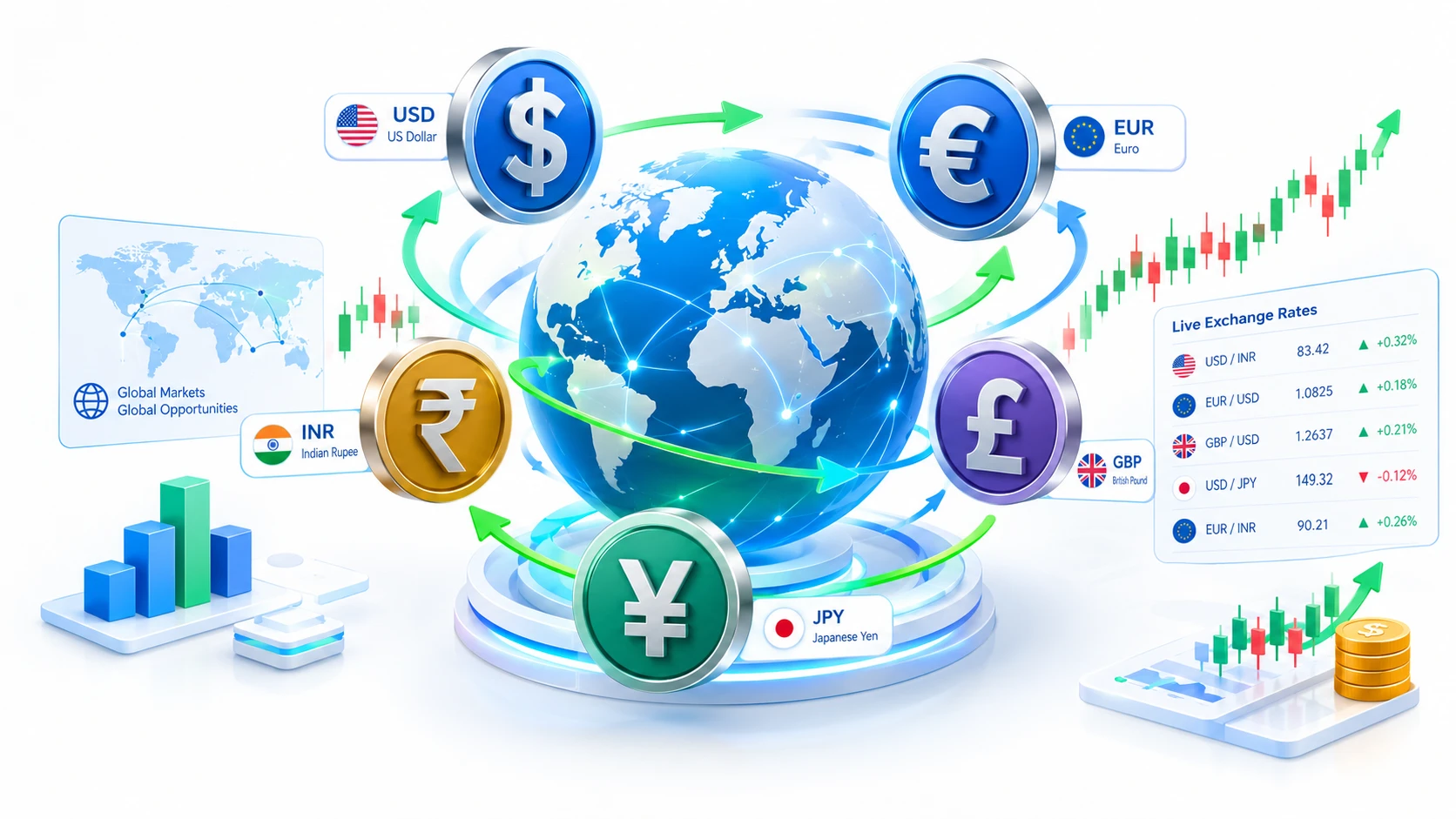
Whenever you convert money between two currencies, you interact with global foreign exchange (Forex) markets. An exchange rate simply states how much of one currency you get in return for one unit of another currency. Understanding these dynamics helps you save money on foreign transaction fees and avoid poor transfer rates.
How Currency Exchange Rates Work and Are Determined
Currency values fluctuate constantly based on global supply and demand. Key factors influencing exchange rate movements include inflation rates, national interest rates, foreign trade balances, political stability, and market sentiment. Central monetary authorities like the Reserve Bank of India (RBI) or the US Federal Reserve occasionally intervene to manage volatility, but most major currencies float freely in interbank markets.
Why You Never Receive the Mid-Market Rate
The “market rate” seen on financial news portals is the mid-market rate (or interbank rate). Retail banks, credit card networks, and airport currency kiosks add a markup margin on top of this wholesale rate alongside separate service fees. Comparing the effective exchange rate across providers ensures you get the maximum value for your money.
Direct Rates vs Cross Exchange Rates
A direct exchange rate quotes the exact value between two main currencies (for example, INR to USD or EUR to USD). A cross rate calculates currency values by routing through a primary base currency when a direct pair is not actively traded. Most consumer transfers use direct rates provided automatically by payment gateways.
Practical Tips for Currency Conversion
- Compare Effective Rates: Always evaluate the final conversion total after including all hidden markup fees.
- Avoid Airport Kiosks: Physical exchange booths at airports usually charge high markup margins compared to online platforms.
- Pay in Local Currency: When paying with a credit card abroad, choose to pay in the destination’s local currency to avoid Dynamic Currency Conversion (DCC) charges.
FAQ
What is the mid-market exchange rate?
The mid-market rate is the midpoint between the global buy and sell prices of two currencies in the interbank market. It represents the real rate without hidden markups.
How often do exchange rates change?
Exchange rates update continuously throughout global trading hours (24/5) as buyers and sellers trade currencies across international financial markets.